
Recruiting for Reliability: How Manufacturers Find the Right Mix of Skill and Safety
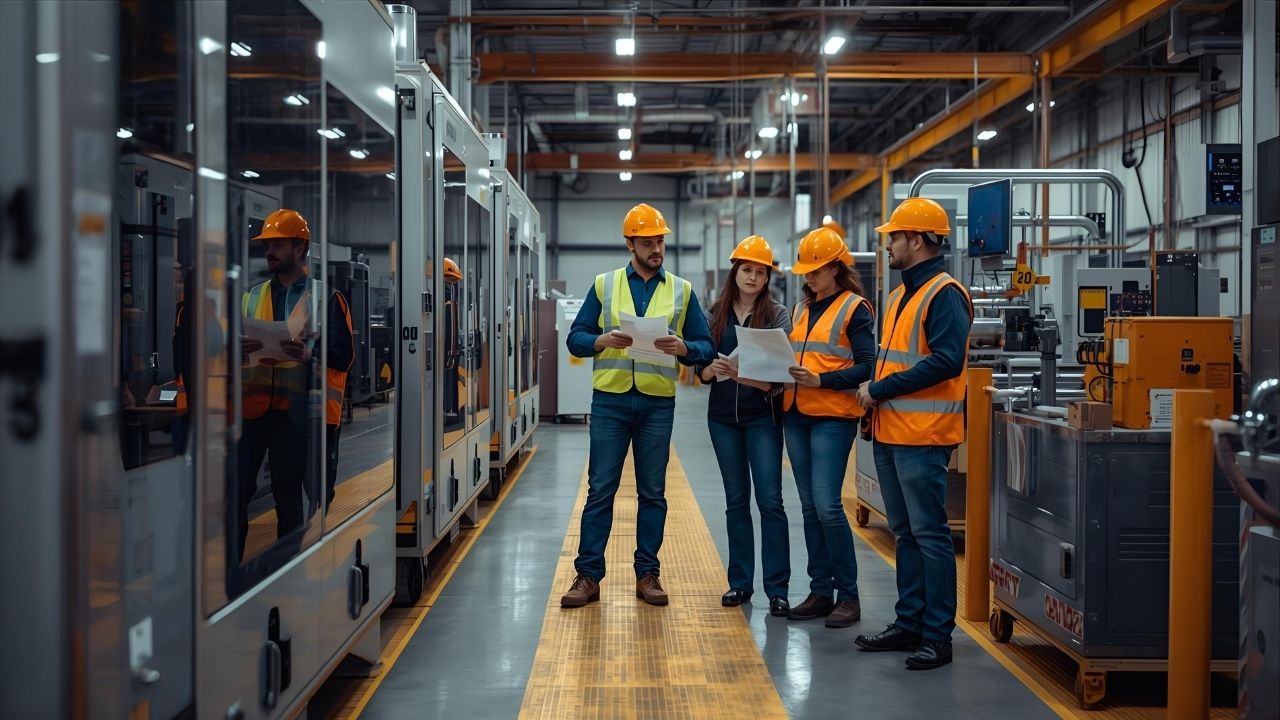
In manufacturing, precision isn’t just a value — it’s survival. Every process, every role, and every person contributes to the reliability that keeps production moving and customers satisfied. But as technology evolves and workforce expectations shift, finding that balance between skill, safety, and culture fit has become one of the toughest challenges in the industry.
For plant managers and operations executives, a strong manufacturing recruiting strategy can mean the difference between hitting quotas or halting production. The right hire doesn’t just fill a shift — they sustain an entire operation.
The New Reality of Manufacturing Hiring
Manufacturing has changed more in the past decade than it did in the previous fifty. Automation, robotics, and data-driven systems have transformed the factory floor. Yet, even as machinery gets smarter, one truth remains: people are still the heartbeat of production.
Today’s manufacturing leaders aren’t just looking for experienced machinists or line supervisors. They’re looking for adaptable problem-solvers — people who can run advanced technology, follow rigorous safety protocols, and contribute to a culture of continuous improvement.
That’s where many companies stumble. The competition for skilled labor is fierce, and the old “post and pray” approach no longer cuts it. An effective manufacturing recruiting strategy must now align with modern realities: shifting workforce demographics, new training demands, and a rising focus on safety and retention.
Skill Shortages Meet Rising Standards
The current skills gap is no secret. According to industry reports, over 2 million manufacturing jobs could go unfilled in the coming decade. But the real problem isn’t just numbers — it’s readiness.
Many applicants lack exposure to modern equipment or safety systems, while veteran workers are retiring faster than replacements can be trained. That leaves companies in a bind — balancing immediate production needs with long-term workforce development.
Smart manufacturers are responding with training-forward recruiting models. Instead of expecting fully formed candidates, they identify teachable talent and invest in skill development from day one. This approach not only fills positions faster but also boosts loyalty, since employees feel valued and supported.
Why Culture and Safety Must Drive Recruiting
Manufacturing isn’t just about process efficiency — it’s about predictability. A reliable workforce is one that understands the culture of the plant as well as the operation of the machinery. That’s why safety and culture fit now sit at the top of every successful manufacturing recruiting strategy.
When recruiters screen for cultural alignment, they’re not looking for personality clones. They’re looking for employees who value structure, consistency, and accountability — people who understand that safety isn’t a policy, it’s a mindset.
Candidates who take shortcuts or resist compliance can disrupt more than a shift; they can jeopardize an entire operation.
How to Build a Manufacturing Recruiting Strategy That Works
Building a recruiting plan for manufacturing takes more than job boards and background checks. It requires alignment between HR, operations, and leadership to ensure the process reflects both skill requirements and safety priorities.
Here’s how leading manufacturers are rethinking their approach:
1. Redefine What “Qualified” Means
Experience still matters, but capability and mindset matter more. Many plants are successfully hiring people from outside industries — logistics, maintenance, even hospitality — and training them for manufacturing. If they have mechanical aptitude, reliability, and attention to detail, you can build the rest.
2. Lead with Safety and Purpose
Job seekers today want to know that their work has meaning — and that they’ll go home safely every night. Highlight your safety record, training programs, and investment in people in every job posting and interview. It signals that your company values long-term partnership, not just production.
3. Partner with Specialized Recruiters
Generalist recruiters can miss the nuance of manufacturing. Firms that specialize in industrial recruiting understand the certifications, the shift demands, and the cultural nuances that make for a good fit. They know how to identify dependable candidates — and how to vet them for both skill and safety.
4. Focus on Retention from the Start
Your recruiting strategy should extend beyond day one. Implement structured onboarding, mentorship programs, and ongoing safety refreshers. Employees who feel confident in their training stay longer — and make fewer mistakes.
5. Align Operations and HR
Too often, recruiting and operations work in silos. The best results come when plant leaders, HR teams, and safety managers collaborate from the start — defining not just what a role does, but what type of person thrives in it.
Technology’s Role in Modern Manufacturing Recruiting
While manufacturing is rooted in physical processes, today’s recruiting increasingly depends on digital tools. From AI-driven applicant tracking systems to skills-based assessments, technology helps companies move faster without sacrificing quality.
Smart manufacturers are using:
-
Predictive analytics to anticipate hiring needs before turnover occurs
-
Virtual training modules to evaluate aptitude before hiring
-
Automation in background checks, scheduling, and onboarding
-
Video interviewing platforms to assess communication and situational awareness
But even with digital tools, the human element still defines success. The best recruiters blend automation with empathy — using data to inform decisions but relying on instinct to evaluate fit.
The Importance of Soft Skills on the Plant Floor
In a factory environment, technical skills get the job done. But soft skills keep it running smoothly. Collaboration, communication, and problem-solving are no longer optional. As production lines grow more complex, workers need to understand how their actions impact quality, safety, and output.
When building your manufacturing recruiting strategy, don’t overlook questions that reveal behavior and character. Ask candidates about past experiences with safety incidents, teamwork under pressure, or quality control challenges. Their answers can tell you far more about their reliability than a certification list ever could.
Why Reliability Is the Ultimate Differentiator
Manufacturers talk a lot about productivity, but reliability is what truly sustains growth. Reliable employees show up, follow procedures, and look out for their coworkers. They’re the foundation of safety, quality, and consistency — and the hardest thing to find.
When your recruiting strategy prioritizes reliability, everything else improves:
-
Training programs become more effective
-
Safety incidents decline
-
Turnover drops
-
Output becomes more predictable
That’s the real ROI of a great manufacturing recruiting strategy — not just more hires, but better ones.
Creating a Culture That Retains Talent
Recruiting is only half the battle. Keeping great people takes just as much effort. Manufacturers who succeed at retention focus on three things: recognition, progression, and inclusion.
Recognition: People on the line want to know their work matters. Celebrate milestones — not just safety streaks or quotas, but teamwork, innovation, and attendance.
Progression: Give clear pathways for advancement. Whether through certification programs, cross-training, or leadership tracks, employees should see a future in your organization.
Inclusion: Manufacturing teams are diverse — generationally, culturally, and experientially. The best leaders build environments where everyone feels heard and supported, no matter their background or tenure.
When workers feel valued and secure, they don’t just perform better — they recruit for you. Word-of-mouth remains one of the most powerful hiring tools in the industry.
Partnering for Long-Term Workforce Success
At recruitAbility, we know that every manufacturing client is different. Some need production managers who can scale output without sacrificing safety. Others need maintenance techs who can troubleshoot with precision and calm under pressure.
That’s why our approach to manufacturing recruiting strategy is built around reliability first. We don’t just fill roles — we identify people who thrive in structured, safety-conscious environments.
Our team helps clients:
-
Define the specific skill sets needed for reliability and growth
-
Assess cultural and safety alignment early in the process
-
Build scalable talent pipelines to reduce hiring gaps
-
Strengthen retention through better onboarding and leadership development
Because in manufacturing, one great hire can impact an entire production line — and one poor fit can stop it.
The Future of Manufacturing Talent
The future of manufacturing belongs to adaptable thinkers and hands-on innovators. The next generation of operators, engineers, and supervisors will need both technical and human skills — the ability to program robots and mentor people.
To attract that kind of talent, companies must evolve from transactional recruiting to relationship-driven hiring. Your brand, culture, and reputation for safety are no longer afterthoughts — they’re your most powerful recruiting tools.
The bottom line? A great manufacturing recruiting strategy doesn’t just fill positions. It builds a workforce that’s engaged, reliable, and ready for whatever the next industrial shift brings.