
Direct Hire Services: How They Work and When to Use Them
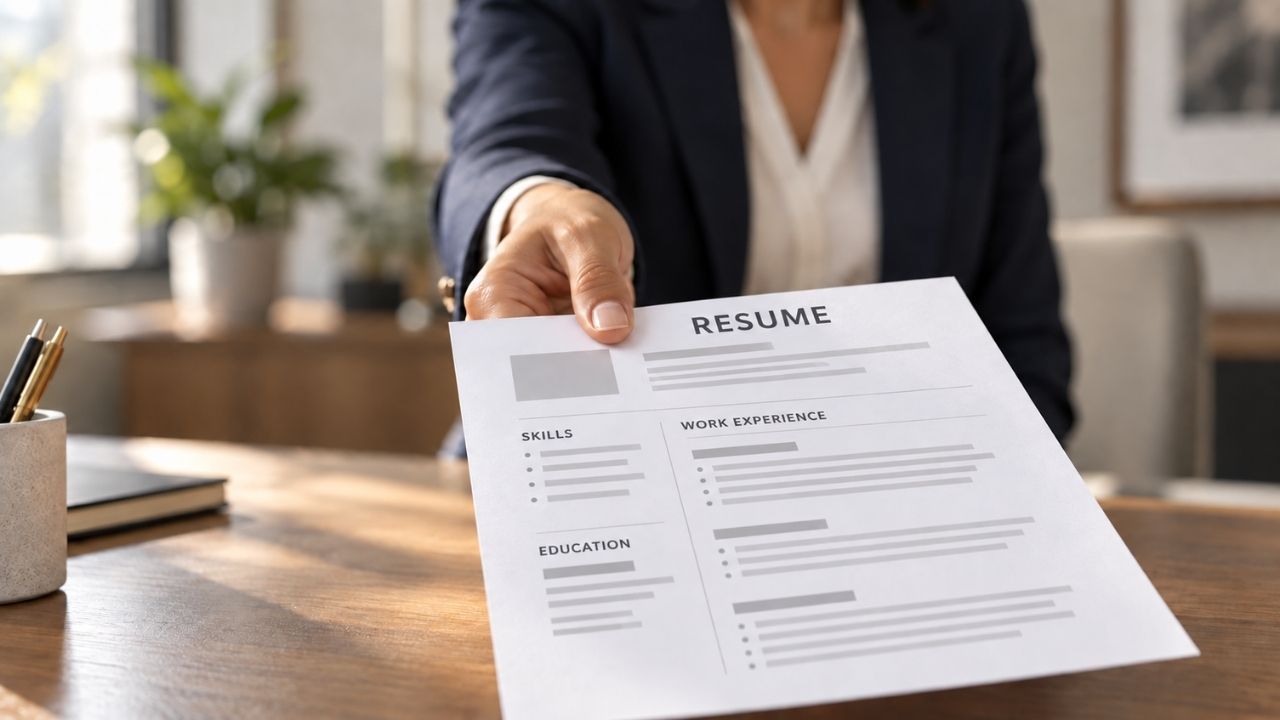
Every recruiting model solves a different problem. Direct hire services solve a specific one. They find a permanent employee for a role that needs to be filled once. That employee needs to be the right one, and needs to plan on staying. For companies weighing their options, understanding how direct hire actually works matters more than the label itself.
Download our Direct Hire Sales Slick now!
What Are Direct Hire Services?
Direct hire is a recruiting model built around permanent placement. A staffing partner sources, screens, and presents candidates for a role. The company makes the final hiring decision. Once hired, that person is an employee of the company from day one. They’re not a contractor, and they’re not routed through a staffing agency’s own payroll.
This differs from contract recruiting. In that model, a firm’s own recruiters or workers fill a role on a temporary or project basis. Direct hire is built for roles a company expects to exist indefinitely. The person filling it becomes a permanent part of the team.
When Direct Hire Makes More Sense Than Contract Recruiting
Not every open role calls for direct hire. A role tied to a specific project is usually better served by contract recruiting. The same goes for a seasonal need or a temporary gap. Direct hire earns its place in a different scenario. A company needs a long-term employee. It wants that person fully integrated into the culture from the start. It expects the role to remain part of the organization going forward.
Contract Recruiting vs Direct Hire: What Actually Changes breaks down that decision in more detail. It covers tradeoffs that don’t show up until a company is already partway through a search.
What the Direct Hire Process Actually Looks Like
A direct hire search typically starts with a deep conversation about the role itself, not just a job description. That includes the team the new hire will join. It includes the problems they’re expected to solve. It includes the traits that actually predict success in that specific environment.
From there, a direct hire partner sources candidates who fit that profile, not just the job title on paper. Screening happens before a candidate ever reaches the client. That saves hiring managers from sitting through interviews with people who were never a realistic fit. The company still makes every final decision. The partner’s job is narrowing the field to people worth that decision.
Download our Direct Hire Sales Slick now!
How Direct Hire Differs From an Internal-Only Search
Companies that rely entirely on internal recruiting often hit the same wall. Their reach into passive candidates who aren’t actively job hunting stays limited. A direct hire partner brings an existing network to the search. It also brings active sourcing capacity. Most internal teams don’t have the bandwidth to build that capacity on their own, especially for a role that needs to be filled quickly.
Recruiting Models FAQ covers how direct hire stacks up against the other recruiting models available. It also covers when an internal-only approach genuinely is the better fit.
What a Direct Hire Partner Should Actually Deliver
A good direct hire partner does more than forward resumes.
- They bring a real understanding of the role’s market
- They offer honest feedback on a company’s compensation and process, when either is out of step with the market
- They bring candidates who have already been vetted against the specific traits that matter for that role
Anything less just adds a layer between a company and the same applicant pool it could reach on its own, without actually improving the odds of a good hire.
Does Direct Hire Cost More Than Doing It In-House?
The fee structure is the most visible cost, and it understandably gets the most scrutiny. What often gets missed is a different cost. An in-house search that drags on for months ties up a hiring manager’s time. It can still end in a mis-hire despite all that effort. A direct hire partner’s fee reflects the speed and quality of a properly run search. It’s not just paying for access to candidates a company couldn’t have found on its own.
How Long Does a Direct Hire Search Typically Take?
Timeline depends heavily on the role, but a well-run direct hire search for most professional roles moves faster than companies expect once sourcing is already active. A partner with an existing network and active sourcing capacity can often present a shortlist within the first few weeks, rather than starting from zero the way a cold internal search usually does. Roles with a narrow skill set or a tight compensation band typically take longer, regardless of who runs the search. Setting realistic expectations up front, on both timeline and market compensation, prevents a search from stalling later over surprises that could have been flagged on day one.
Real Results
Case Study: How Direct Hire Helped an AI Firm Scale Fast walks through what this looks like in practice. It covers the specific role, the timeline, and the outcome. It’s a useful reference point for what a direct hire search should actually deliver, beyond the general description above.
Download our Direct Hire Sales Slick now!
Direct hire isn’t the right model for every open role. For a permanent hire that needs to be filled right, though, it remains one of the most reliable ways to get there.
Related Services