
How a Strong Start Shapes Long-Term Success: Building an Effective Onboarding Process
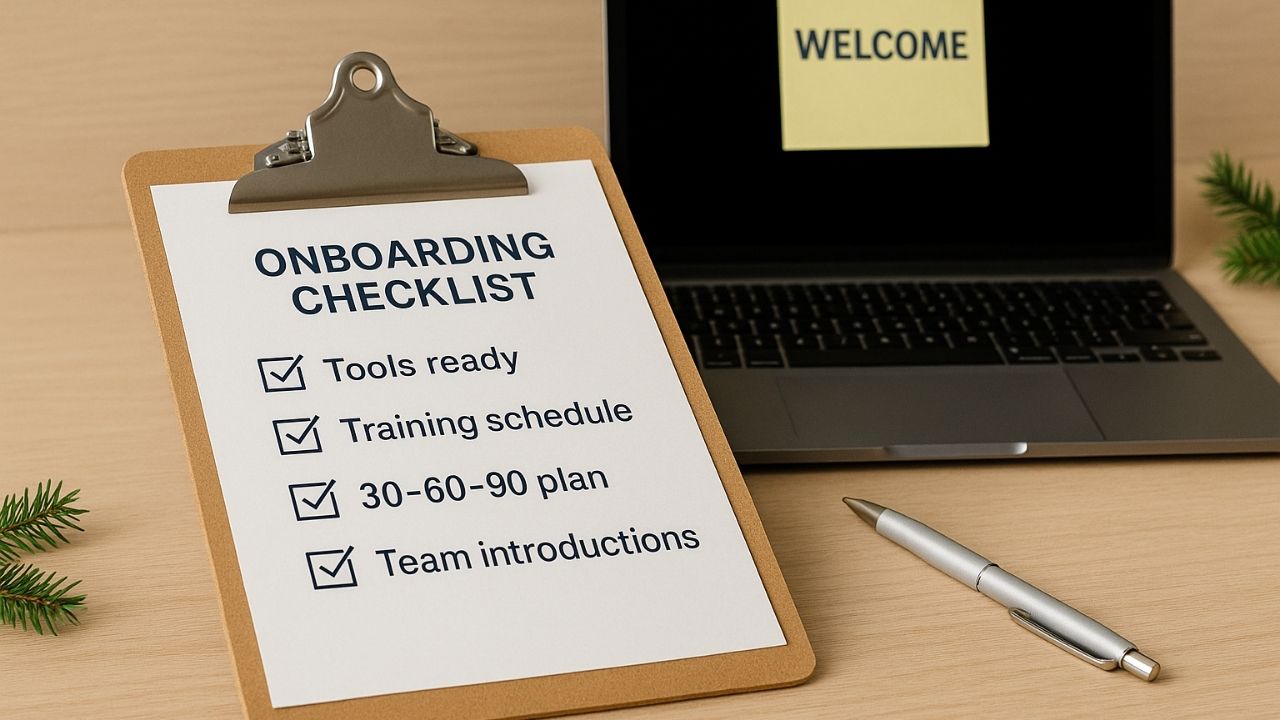
Every company wants new hires to succeed, yet many overlook the importance of an effective onboarding process in shaping performance, retention, and culture. Teams put tremendous work into finding top talent, but the first ninety days—the most crucial period—are often rushed, inconsistent, or unclear. As companies prepare for 2026, the organizations that prioritize structured, thoughtful onboarding will see stronger engagement, faster ramp-up times, and higher long-term retention.
A new hire’s early experience determines how quickly they build confidence, how connected they feel to the team, and how well they understand expectations. When onboarding is fragmented, new employees become uncertain. When onboarding is organized, new employees become productive contributors far sooner.
Why Onboarding Matters More Heading Into 2026
The workplace continues to evolve, and so do employee expectations. High performers want clarity. They want direction. They want to feel part of something meaningful—not left to figure things out alone. An effective onboarding process transforms enthusiasm into momentum. Without it, even strong hires begin their role at a deficit.
Retention research consistently shows that employees decide whether they see a long-term future with an organization within their first three months. If those months feel confusing or unstructured, they disengage. Over time, that disengagement turns into turnover.
Companies competing for strong talent in 2026 cannot afford false starts. A great onboarding experience is one of the simplest, most powerful tools a leader has to set new hires up for success.
What New Hires Need on Day One
New employees often walk in excited but unsure. Day one can either solidify confidence or amplify uncertainty. This is where clarity, preparation, and connection make a real difference.
New hires need a schedule, along with a clear understanding of what to expect during their first week. They also require access to the right tools, systems, and teammates who will support their work. Most importantly, they should feel genuinely welcomed—not just introduced.
Too many onboarding experiences rely on passive introductions or unstructured “shadowing.” While helpful, these are not a substitute for an intentional plan. A strong onboarding experience prepares the new hire to succeed by giving them the structure that supports early wins.
The Role of Leadership in an Effective Onboarding Process
Leaders play a critical role in shaping how new hires experience their first ninety days. They set expectations, provide clarity, and reinforce the purpose behind the role. When leaders are engaged and communicative, new hires feel supported. When leaders are distant or unavailable, uncertainty grows.
An effective onboarding process includes consistent check-ins with leadership—not just a single meeting during week one. These conversations help new hires clarify priorities, understand feedback, and build trust.
Leaders should use these early discussions to define success. What does the first thirty days look like? Sixty days? Ninety days? What are the most important outcomes? When leaders provide clarity, new hires build confidence quickly.
The Power of a 30-60-90 Day Success Plan
One of the most effective onboarding tools is a structured 30-60-90 day plan. This framework turns expectations into action and gives new hires a roadmap they can follow.
The first thirty days typically focus on learning: systems, processes, documentation, and team dynamics. The next thirty days shift toward practice and early execution. The last thirty days emphasize ownership, contribution, and measurable improvement.
This structure gives employees three things they value deeply:
-
Direction
-
Clarity
-
Measurable progress
It also allows leaders to catch misalignment early rather than waiting until a performance review months later.
How Connection Drives Long-Term Engagement
New hires want to feel part of the team quickly. Connection is one of the biggest factors influencing retention during the first year. A new hire who feels isolated is far more likely to disengage, while one who builds strong early relationships is far more likely to stay.
Onboarding should facilitate these connections intentionally. Scheduling meet-and-greets, assigning a mentor, or pairing new hires with team members for collaborative sessions helps them understand the culture and see where they fit.
Teams who build connection early build loyalty early. And loyalty directly influences the success of an effective onboarding process.
Why Tools and Systems Should Be Ready Before Day One
Few things create a rocky start faster than technology not being ready. When new hires spend their first week waiting on access, troubleshooting logins, or navigating disorganized systems, the impression sticks.
Companies with strong onboarding know that preparedness signals professionalism. It shows respect for the new hire’s time and acknowledges the importance of their role. Tools, software, hardware, and documentation should be ready before the employee ever starts.
A smooth technical experience helps new hires hit the ground running and reduces unnecessary frustration.
Training That Supports Real Performance
Onboarding isn’t about overwhelming new hires with information. It’s about giving them the right information at the right time. An effective training plan is structured, paced, and aligned with the skills required for the role.
Strong training includes:
-
Clear process walkthroughs
-
Practical examples
-
Hands-on practice
-
Opportunities to ask questions
-
Realistic expectations
When training is clear and organized, new hires gain the confidence needed to perform well early. When it’s rushed, improvised, or incomplete, they struggle.
Avoiding the Most Common Onboarding Mistakes
Even well-intentioned teams fall into predictable pitfalls. The most common mistakes include:
-
Lack of clarity around role expectations
-
Overloading new hires with information
-
Failing to introduce them to the right people
-
Inconsistent communication from leadership
-
Delayed access to tools or resources
-
No clear success plan for the first ninety days
Each misstep creates uncertainty—and uncertainty is the enemy of strong onboarding.
When companies fix these gaps, every new hire experiences a smoother transition, and performance improves naturally.
Building an Effective Onboarding Process for 2026
Companies that want stronger results next year must take onboarding as seriously as hiring. This requires planning, consistency, and alignment between leadership, HR, and team members.
The best onboarding programs are:
-
Structured
-
Predictable
-
Clear
-
Human-centered
-
Aligned with long-term goals
They prepare new hires to succeed. Early turnover drops because expectations and support are clear from day one. Trust gets stronger. And as a result, momentum builds in a way that carries through the employee’s first year and well beyond.
As the competition for strong talent intensifies in 2026, companies that invest in an effective onboarding process will outperform those that treat onboarding as a checklist item. The first ninety days shape everything that follows—and the teams that get this right will build stronger, more engaged workforces for years to come.