
Professional References: When to Share Them During Your Job Search
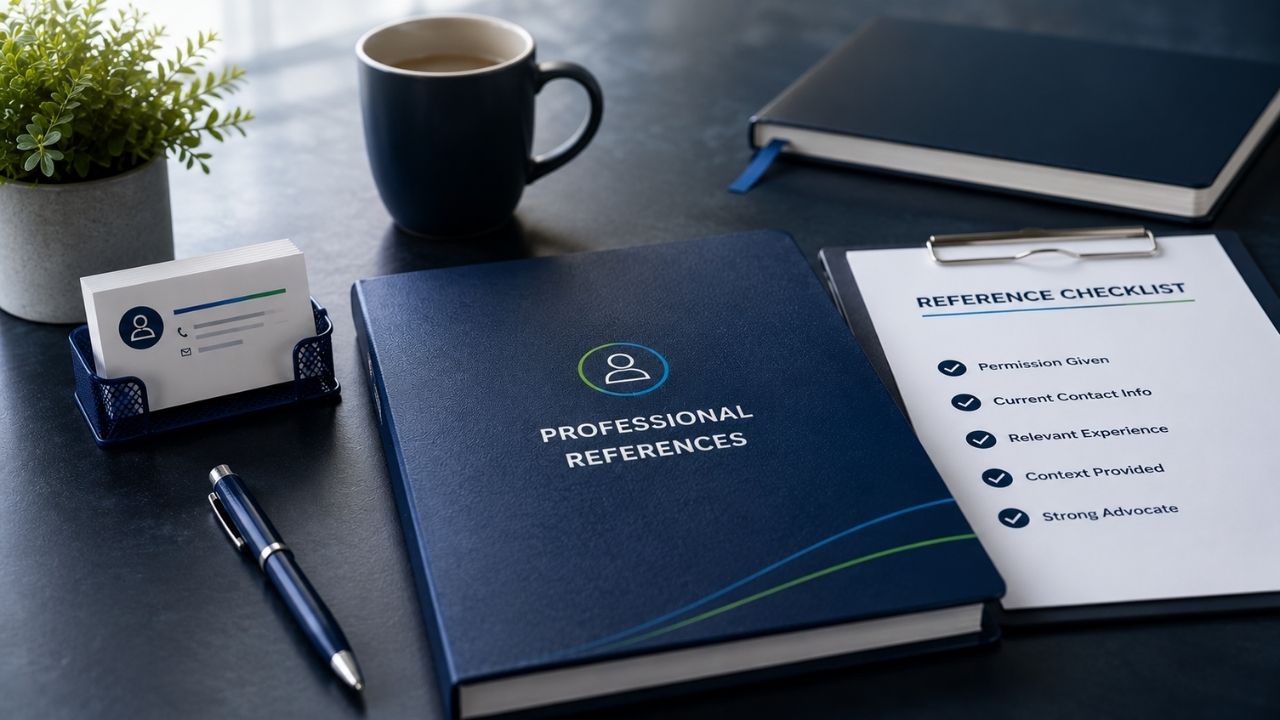
Professional references are still an important part of the hiring process.
What’s changed over the years is when employers ask for them.
Some companies request references before making an offer. Others wait until they’ve identified a finalist. Some don’t ask for references at all.
Because every employer handles references differently, there isn’t a single rule that applies to every job search.
At recruitAbility, one of the most common questions we hear from candidates is:
“When should I provide my references?”
The answer is straightforward.
Be prepared before you’re asked, but don’t assume you should send references with every application.
Just as importantly, make sure the rest of your application is ready first. Your resume is still the document that opens the door, while professional references help reinforce your qualifications later in the hiring process. If you’re updating your resume, start with our Resume Writing Guide: How to Build a Resume That Gets Interviews.
Have Your References Ready Before You Need Them
One of the biggest mistakes candidates make is waiting until the last minute to think about references.
If an employer asks for them, you shouldn’t have to scramble to remember phone numbers, email addresses, or who would be willing to recommend you.
Instead, prepare a reference list before you begin your job search.
Having it ready allows you to respond quickly when it’s requested and helps keep the hiring process moving.
Don’t Include References on Your Resume
Years ago, it was common to see resumes that included a list of references or the phrase, “References available upon request.”
Today, neither is necessary.
Your resume should focus on your experience, accomplishments, and qualifications. Using valuable resume space for references doesn’t strengthen your application and can actually take attention away from the experience employers are trying to evaluate.
Keep your references on a separate document that’s ready to share when requested. Maintaining a separate reference list also makes it easier to update contact information and tailor your references when appropriate.
If you’re unsure what belongs on your resume—and what doesn’t—our guide to Resume Sections Every Hiring Manager Looks For explains what employers expect to see.
Choose References Who Know Your Work
The best references aren’t necessarily the people with the biggest job titles.
They’re the people who can speak confidently and specifically about your work.
Depending on your experience, that may include former managers, executive leaders, clients, project stakeholders, or colleagues you’ve worked closely with.
Whenever possible, choose people who have worked with you recently. While a former manager from ten years ago may remember you fondly, someone who has seen your current work is often better positioned to speak about your skills, judgment, and contributions.
Choose quality over familiarity.
Always Ask Permission First
Never assume someone is comfortable serving as a reference.
Reach out before listing them and ask if they’re willing to recommend you.
It’s also a good opportunity to confirm their current job title, phone number, and email address so your information is accurate when an employer reaches out.
Taking a few minutes to confirm those details now can prevent delays later in the hiring process.
Give Your References Context
If you know an employer is likely to contact your references, let them know.
Share the company name, the position you’re pursuing, and why you’re interested in the opportunity.
You don’t need to coach them on what to say.
Instead, give them enough context to remember the projects you worked on together and the experience that’s most relevant to the position.
Prepared references are often able to provide more thoughtful and meaningful feedback than someone who receives an unexpected call with no context.
Quality Matters More Than Quantity
Candidates sometimes ask how many references they should provide.
For most professional roles, three to five strong references are more than enough unless an employer requests otherwise.
Focus on choosing people who know your work well rather than trying to build the longest possible list.
A few thoughtful recommendations carry far more weight than a page full of names who barely remember working with you.
Work With Your Recruiter
If you’re working with a recruiter, ask when references are typically requested for that search.
Every client has a different hiring process.
Some organizations request references early.
Others won’t ask until they’re preparing an offer.
Your recruiter understands the client’s process and can advise you on the right timing.
Rather than guessing, ask.
Being prepared with references is important, but your resume still creates the first impression. Avoiding common mistakes before you apply gives employers a much clearer picture of your qualifications. Our guide to Resume Mistakes That Keep Qualified Candidates From Getting Interviews covers several of the issues recruiters see most often.
Keep Your Reference List Current
Professional relationships don’t end when you leave a company.
Stay connected with former managers, colleagues, mentors, and clients throughout your career.
Review your reference list periodically to make sure contact information is current and that the people you’ve listed are still the strongest advocates for your work.
As your career grows, your references should evolve with it. Someone who can speak to your leadership, strategic thinking, or industry expertise today may be more valuable than someone who only worked with you early in your career.
Professional References Are Part of a Strong Application
Professional references won’t earn you an interview on their own.
A strong resume, thoughtful interview preparation, and relevant references all work together to give employers confidence in your qualifications.
When you’re prepared before an employer asks, you can respond quickly, present yourself professionally, and keep the hiring process moving forward.
Like every part of your job search, preparation matters.
Related Resources
- Resume Writing Guide: How to Build a Resume That Gets Interviews
- Resume Sections Every Hiring Manager Looks For
- Resume Mistakes That Keep Qualified Candidates From Getting Interviews
- How to Optimize Your Resume Without Sounding Like AI
- Is ATS Rejecting Your Resume? Here’s What Recruiters Want You to Know