
The New Era of “Smart Builds”: How AI, Automation & Intelligent Manufacturing are Quietly Reshaping U.S. Construction
Written by:
Fran Woodruff
If you’re watching the construction, engineering, or energy sectors closely right now, you may have noticed something subtle, but seismic, underway.
Not the mega-projects, the labor gap narrative, or even the semiconductor boom.
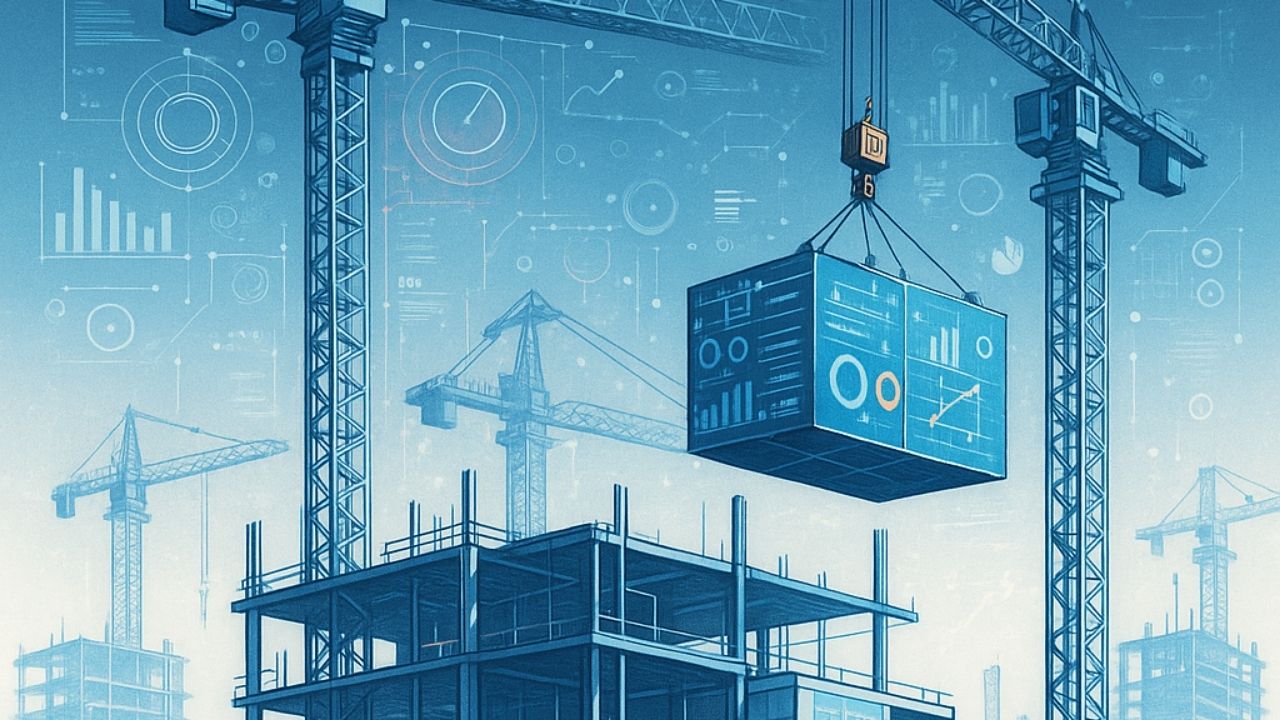
The real shift is happening inside the projects themselves: the rise of tech-enabled builds — where construction, manufacturing, automation, and data systems are merging into a single ecosystem.
And from my conversations with EPC, MEP, GC, fabrication, and specialty-trade leaders across the U.S., this shift is accelerating faster than any headline suggests.
Here’s what’s really happening (according to the pros) and why it matters at year-end, 2025 through 2027.
1. The Factory Is Becoming a Jobsite…and the Jobsite Is Becoming a Factory
The biggest transformation isn’t happening in Silicon Valley. It’s being welded, wired, bolted, assembled, commissioned, and integrated inside fabrication/manufacturing-driven projects.
Data point:
U.S. smart factory investment is projected to grow ~14% annually through 2027 (Deloitte 2025), driven by automation, robotics, advanced materials, sensor ecosystems, and integrated controls.
What leaders are telling me:
- “We’re building manufacturing facilities with more automation than people in some areas.” (and people are being reassigned & upskilled – NOT replaced – yes…because I ASKED this question).
- “Our supers are dealing with robotics vendors now, not just subcontractors.”
- “This feels less like construction and more like building a futuristic machine that takes advantage of human knowledge and experience, while increasing efficiency and safety.”
Why this matters:
These builds require talent who can operate in two worlds simultaneously: the physical craft AND the digital backbone.
Electrical, mechanical, power distribution, controls/automation, and commissioning are rapidly becoming engineering + tech hybrid roles.
2. AI Isn’t Replacing People, but it IS Replacing Rework
Forget the doom narratives. In construction, AI isn’t a job-killer. It is a schedule protector & a hardhat, combined.
Data Point:
A 2025 Oracle Construction Intelligence report shows AI-assisted planning tools are reducing schedule variance by up to 12–18% on large projects – the biggest improvement in a decade.
What I’m hearing from Sr. Leaders & the real, boots-on-the-ground players (PMs, Estimators, QA, Schedulers, Supers):
- “AI caught a coordination conflict before we burned a week fixing it.”
- “In fact, it’s like having a second superintendent reviewing the schedule 24/7.”
- “At the same time, this isn’t replacing people — it’s giving our people a buffer.”
Why this matters:
Companies adopting AI in planning, QC, coordination, and safety are seeing fewer stoppages and less rework. That means they’re also seeing:
Fewer lost days, blown budgets, and blown deadlines.
Which is why candidates who can interpret AI insights — not build the tools — now stand out immediately.
3. The Rise of “Intelligent Materials” and Smart Systems
This is one of the most fascinating (and least talked-about) trends emerging for year-end 2025–2027.
Smart components are taking off:
- Self-diagnosing HVAC systems
- IoT-enabled electrical gear
- Prefab panels with embedded sensors
- Structural components with digital tags for lifecycle tracking
- Smart power systems for AI data centers
Fresh data:
The smart-materials and intelligent systems market is growing at 18.1% annually (Markets & Markets 2025) with the highest adoption coming from:
- semiconductor manufacturing
- mission-critical facilities
- clean-energy plants
- advanced logistics hubs
What leaders tell me:
“Installing isn’t enough anymore. Crews need to understand how smart components think.”
This is changing workforce planning — dramatically.
4. Predictive Construction: The Next Big Frontier
While predictive maintenance transformed industrial plants, predictive construction is now emerging.
Think: AI that forecasts safety risks before they happen, power models that predict commissioning bottlenecks, quality-control analytics that flag errors before inspection day.
Data point:
Predictive analytics adoption in construction grew 46% from 2023–2025 (Hexagon 2025). And specialty-contractors using predictive QC are reducing warranty claims by up to 22%.
Why this matters:
Hiring managers aren’t just saying “we need a superintendent.” They’re saying:
“We need a super who can operate in a predictive environment.”
5. The Talent Impact: Hybrid Roles Are About to Become the New Normal
This is the biggest shift of all.
From what I’m seeing across Texas, the Sun Belt, and national project networks:
The most in-demand roles for 2025–2027 will be:
- Electrical + controls technicians with digital literacy
- Automation-aware mechanical trades
- Commissioning leads who can navigate smart systems
- PMs who can oversee manufacturing-driven scopes
- Supers who can manage integration between vendors + tech systems
- BIM/VDC specialists who can communicate with field leaders
- QA/QC pros trained on smart materials and predictive systems
Recruiting for these roles is no longer “find someone with experience.” It’s find someone who can evolve with where construction is going.
6. The Opportunity: This Is the Most Exciting Talent Market in Years
Instead of fear around AI or automation, I see something different: OPPORTUNITY.
- Opportunity for tradespeople to upskill into higher-pay roles.
- Opportunity for PMs and supers to transition into tech-integrated leadership.
- Opportunity for companies to build the next generation of hybrid teams before everyone else catches on.
This is the moment smart organizations are using to build their bench — not react when the crunch hits.
Final Takeaway
Construction isn’t just about building structures anymore. It’s about building systems that are intelligent, interconnected, tech-optimized systems that require the best of both worlds:
human skill + digital capability.
The companies (and candidates) who embrace this hybrid future now will be the ones shaping the next era of U.S. construction, manufacturing & energy innovations (and rising to the top).
And if the past few weeks of conversations with project leaders are any indication…
2026–2027 may be the most transformative years these and other industries will have experienced in decades.
GOOD NEWS is so critical right now and sometimes it really is as simple as reframing the narrative and (with real data) reimagining the HUMAN possibilities inside this crazy, fabulous, and sometimes terrifying “AI Industrial Revolution”.
The endless resiliency and tenacity of the human spirit will adapt and conquer and flourish, as it always has, DESPITE the sometimes overwhelming changes, challenges and complexity of innovation.
Displaced? maybe. Replaced? Never.