
The Toughest Search I Ever Filled and the Lesson It Taught Me
Some searches are about skill sets. Others are about unlocking the entire organization. This one was the second kind.
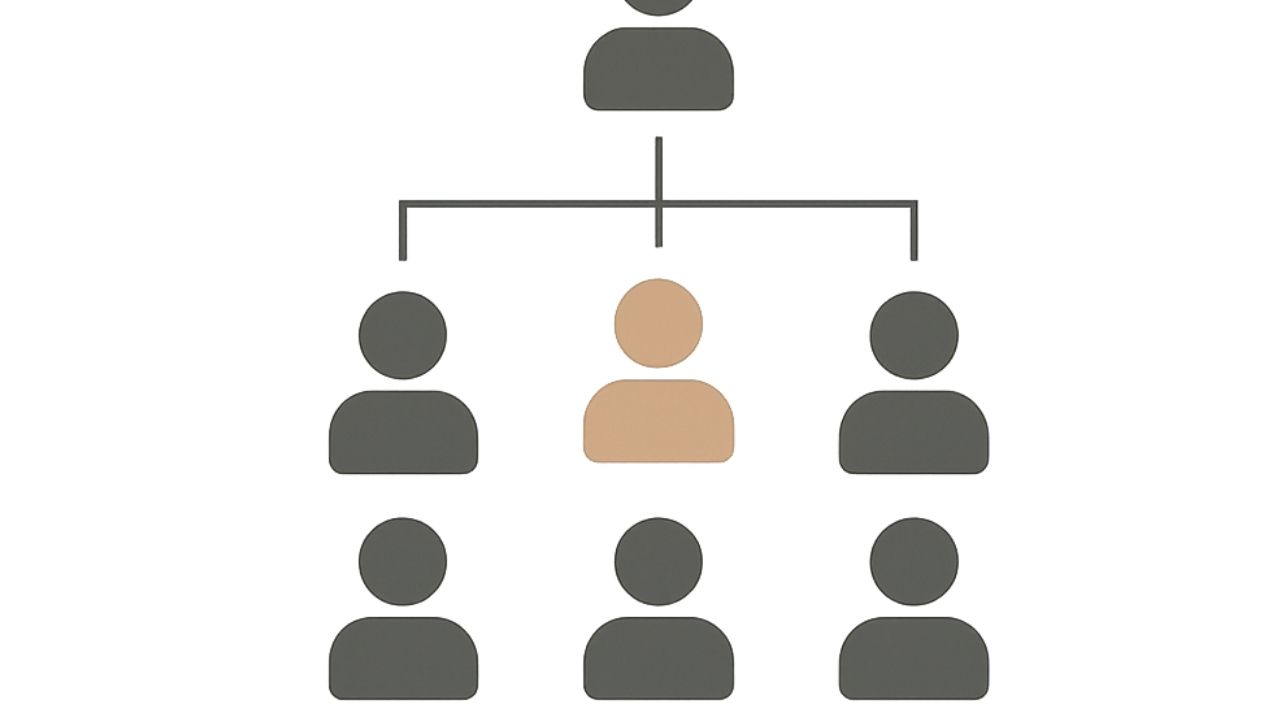
A high growth company was adding strategic hires across several teams. The engineering org was completely flat. The CTO owned everything and everyone. They were stretched thin, moving fast, and juggling priorities that pulled them in every direction.
They needed a VP of Engineering who could step in quickly, scale the team, stay hands on, partner closely with the CTO, and communicate confidently with the C level. A rare combination.
False Start One: Strong on Paper, Weak in Partnership
The first standout looked ideal. Impressive track record. Real scaling experience. But the signals were clear. Too top down, too independent, not enough partnership energy. In a flat org, the CTO needed someone who would lighten the load, not create a second center of gravity. We passed.
False Start Two: Great Teammate, Not Ready for Hyper Growth
The team loved the next candidate. Collaborative, grounded, great EQ. But they struggled when we dug into real scale. They had not built systems or teams in a high velocity environment and would have been playing catch up from day one. We passed again.
False Start Three: Technically Strong, Struggled with the C-Suite
Another candidate came in with sharp technical depth and a very hands on style. But when speaking with executives, they could not clearly articulate tradeoffs or influence decisions. A VP in this environment must translate engineering into business impact. We passed.
These kinds of resets often signal that the role itself needs refinement before the search can move forward, especially in senior leadership hiring where alignment drives candidate success. This is often where leadership hiring becomes a strategic decision, not just a recruiting task.
The Turning Point
I paused the search and met with the CTO. Not to review resumes, but to understand the real pain points.
I asked, What type of partner do you actually need beside you in a flat structure where everything flows through you?
We talked through decision making, communication rhythms, and the pressure of building multiple teams at once. The picture sharpened quickly. They needed someone who could scale the team fast, stay close to the work, build trust with executives, and operate with calm, clarity, and low ego. A true extension of the CTO, not a rival to them.
This level of alignment often changes the trajectory of senior leadership searches by clarifying what success actually looks like in the role before continuing candidate evaluation. It also mirrors how strong leadership hires start with role calibration, not just candidate sourcing.
Then the Right Person Appeared
Once the profile was recalibrated, the search unlocked. We found someone with the exact mix of experience and temperament. Hands on. Strong technically. Confident with executives. Energizing for the team. Most importantly, someone the CTO connected with immediately and could trust as a real partner.
No flashy industry background. No oversized persona. Just the right person for a strategic moment.
The offer went out quickly and the engineering organization has been thriving ever since.
The Lesson
Great hiring is not about the obvious qualifications. It is about clarity, curiosity, and the willingness to question assumptions. The false starts were not failures. They were signals that pointed us toward the real need. And once we named that need, everything finally clicked.
Related Articles
Executive Hiring: Reducing the Risk of Mis-Hires
Leadership Hiring Is a Strategic Decision, Not Just a Recruiting Task
2 Recruiting Myths Worth Retiring