
Managed RPO Case Study: Scaling a Logistics Team During Rapid Growth
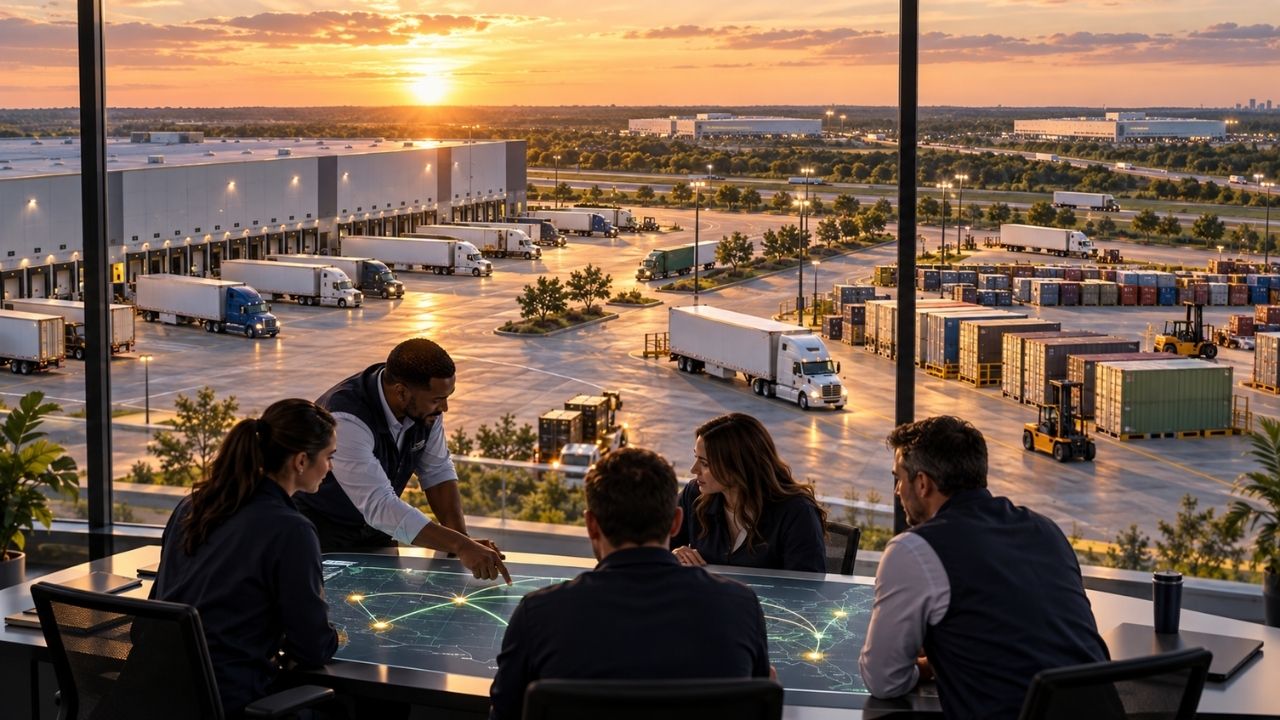
Rapid growth is supposed to be good news. In practice, it can also break a company’s hiring pipeline overnight. That’s exactly what happened to one of the fastest-growing transportation and technology companies in the country. The company is headquartered in Texas, with multiple locations across the US. As demand grew, it saw a huge surge in the need for supply chain and logistics expertise. Its internal recruiting team, however, wasn’t built to scale at that pace. This case study covers how Managed RPO Solutions closed that gap. In doing so, it helped the company hold its position as an industry leader.
Download the Supply Chain and Logistics Managed RPO Case Study here!
The Challenge: Growth Outpacing the Internal Team
Growth at this scale creates a specific kind of pressure. Specifically, every new contract and every new location needs people in place fast. Otherwise, service quality starts to slip. In this case, demand for supply chain and logistics expertise arrived faster than the internal recruiting function could absorb. As a result, open roles piled up across multiple locations at once. Meanwhile, the company’s reputation as an industry leader depended on keeping pace with that demand, not falling behind it. So, a short-term hiring push wasn’t enough on its own. Instead, the company needed a recruiting partner that could scale alongside it. A partner that filled a handful of roles and stepped away wouldn’t have solved the real problem.
Why Managed RPO Solutions Fit This Moment
Managed RPO, or Managed Recruitment Process Outsourcing, embeds a dedicated recruiting team directly into a company’s hiring function. Unlike a single search, it’s built for sustained, high-volume need. Managed RPO Solutions scale up or down with demand. That flexibility made it a natural fit here, since hiring needs were changing month to month. For further context, The Rise of Managed RPO Solutions: When It’s Time to Outsource Recruiting covers the signals behind this shift. Rapid, unpredictable growth is one of the clearest ones.
The recruitAbility Approach
First, the engagement started with a deep look at hiring volume across every location and role type. Recruiters needed to understand not just current openings, but the pace new roles were likely to open. From there, a dedicated recruiting team was embedded directly into the company’s hiring process. That team functioned as an extension of internal HR. It wasn’t an outside vendor working a handful of isolated searches.
Download the Supply Chain and Logistics Managed RPO Case Study here!
Because volume was the core challenge, the search built repeatable, scalable sourcing pipelines. Specifically, that meant standardized screening criteria and consistent interview structures. It also meant sourcing channels built to refill roles quickly as new ones opened. As a result, hiring stopped depending on one recruiter’s personal network. Instead, it started running as a repeatable process. That shift mattered as much as any individual hire.
As new locations opened or demand shifted, the recruiting team adjusted its focus quickly. No new engagement had to be set up from scratch each time. That responsiveness is part of what Managed RPO is built to deliver.
What the Engagement Delivered
Ultimately, the company kept pace with demand across its locations instead of falling behind it. Open roles that once sat unfilled for weeks moved through a consistent pipeline instead. As a result, the company maintained its position as an industry leader through a period of real growth pressure. Because the recruiting team was embedded rather than external, institutional knowledge stayed in place even as demand kept shifting.
In addition, leadership gained visibility into hiring metrics that hadn’t existed before. Time-to-fill, pipeline health, and location-by-location hiring needs were all tracked in one place. That visibility, in turn, made it easier to plan ahead. Reacting to open roles only after they became urgent was no longer the default.
The roles themselves spanned operations, logistics coordination, and technology positions supporting the company’s growing footprint. Each location had its own mix of needs, and a one-size-fits-all approach wouldn’t have worked across all of them. Instead, the embedded team adjusted its sourcing strategy location by location, based on the specific roles and local talent market each site required. That kind of tailored approach is difficult for a lean internal team to sustain across multiple sites at once, especially during a period of rapid expansion.
Why This Matters for Fast-Growing Companies
Rapid growth rarely arrives evenly. Some quarters bring a surge in hiring need. Others bring a lull. A fixed internal team sized for one pace struggles with the other. On that note, Choosing the Right Recruiting Model for Your Business walks through how to match a model to that variable demand. That’s a better starting point than building a team sized for whichever quarter just happened.
Download the Supply Chain and Logistics Managed RPO Case Study here!
Scaling Without Losing Control
Fast growth puts real strain on a hiring function that wasn’t built to flex. For this transportation and technology company, Managed RPO Solutions provided that flexibility. At the same time, it didn’t sacrifice consistency or institutional knowledge along the way. The result was a hiring function that could scale with demand, instead of constantly playing catch-up behind it.
Companies rarely get advance notice of exactly when a growth surge will hit. That’s precisely why the recruiting model matters as much as the recruiters themselves. A model built to flex with demand, rather than one rebuilt every time demand changes, is what let this company keep growing. Its hiring function never became the bottleneck.
Related Case Studies